Official blog
Articles, tutorials and news for independent artists and record labels.
Latest articles · 10 articles found
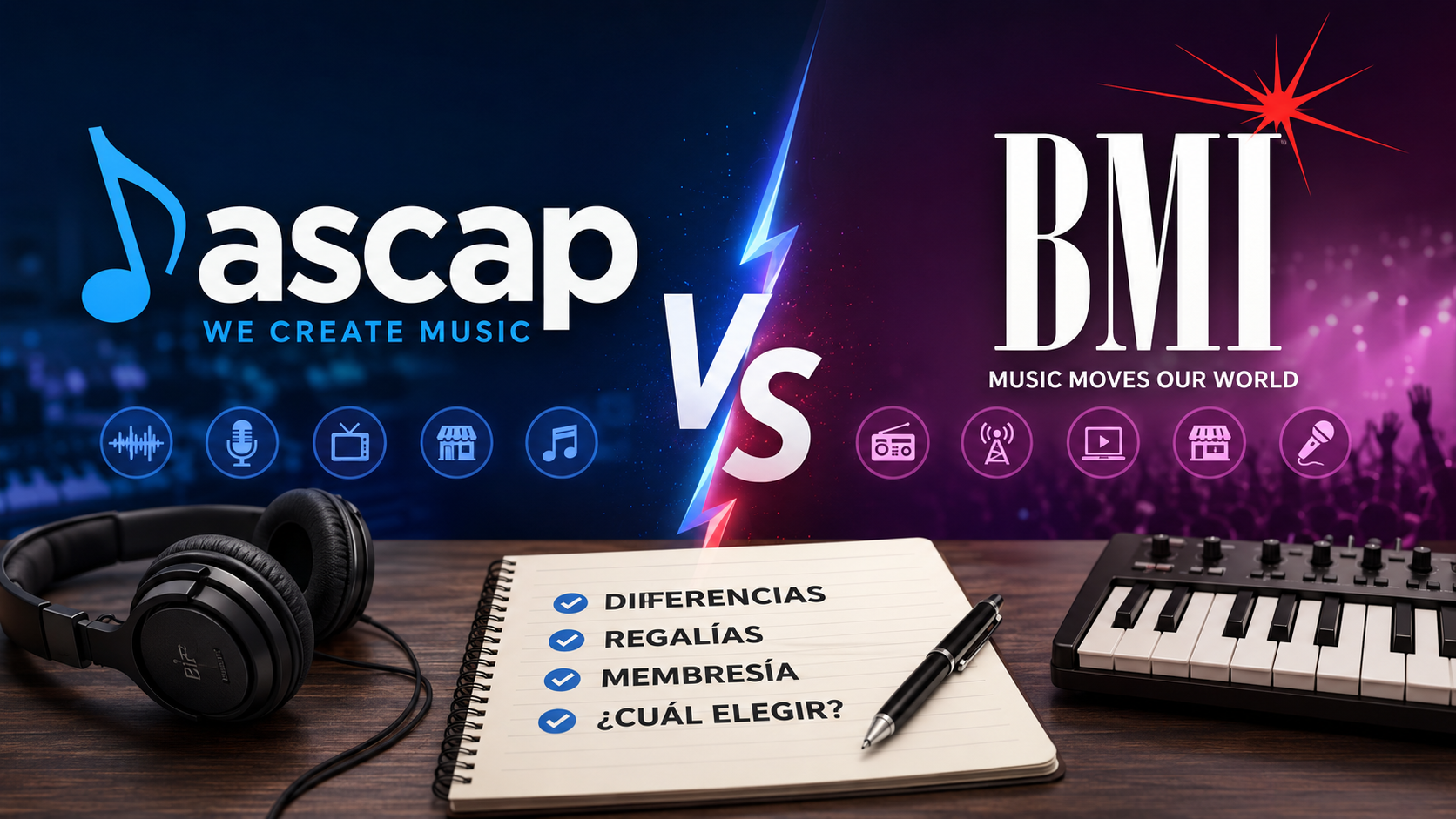
Discover the differences between ASCAP and BMI, two of the most important performing rights organizations in the United States. Learn how they work, who can join, how they pay royalties, and which option may be better for artists, songwriters, and labels.
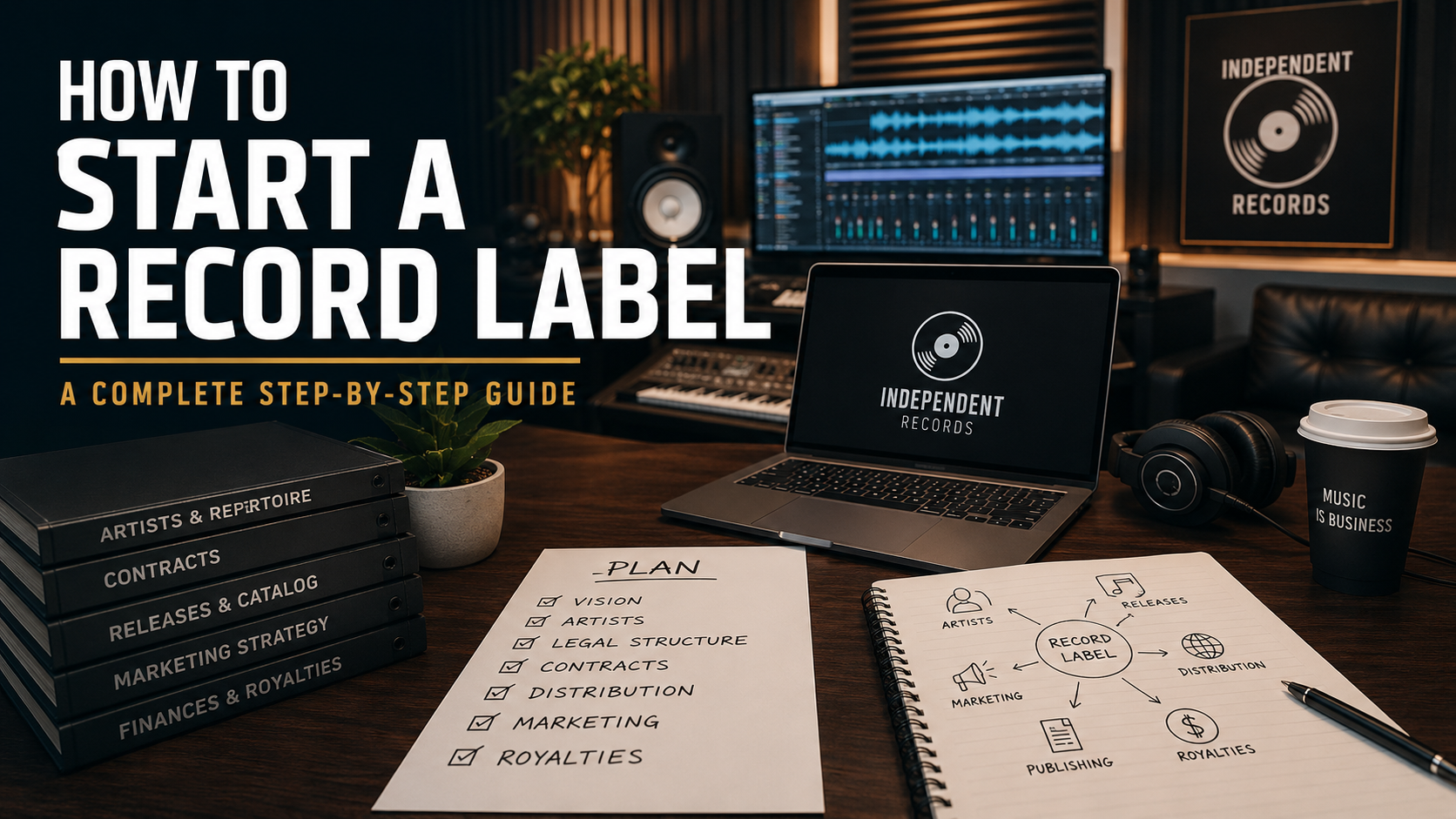
Learn how to create a record label from scratch, what functions it should fulfill, and how to organize artists, rights, distribution, publishing, marketing, and royalties. A clear guide for producers, managers, studios, and entrepreneurs.
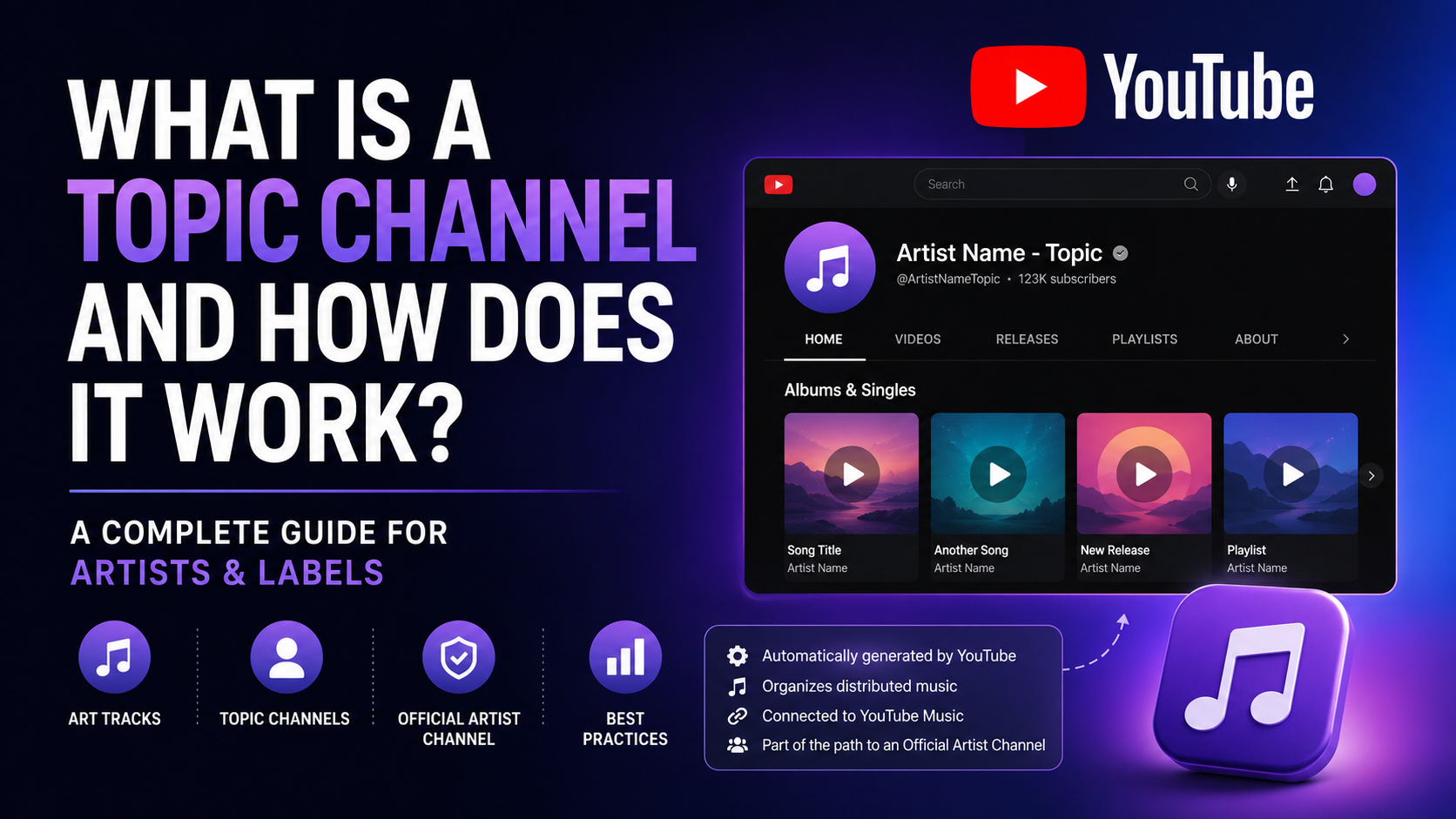
Learn what a YouTube Topic Channel is, how it is created, how it relates to Art Tracks, and why it matters for artists and labels. This guide explains common mistakes, differences from an Official Artist Channel, and best practices for managing your music correctly.
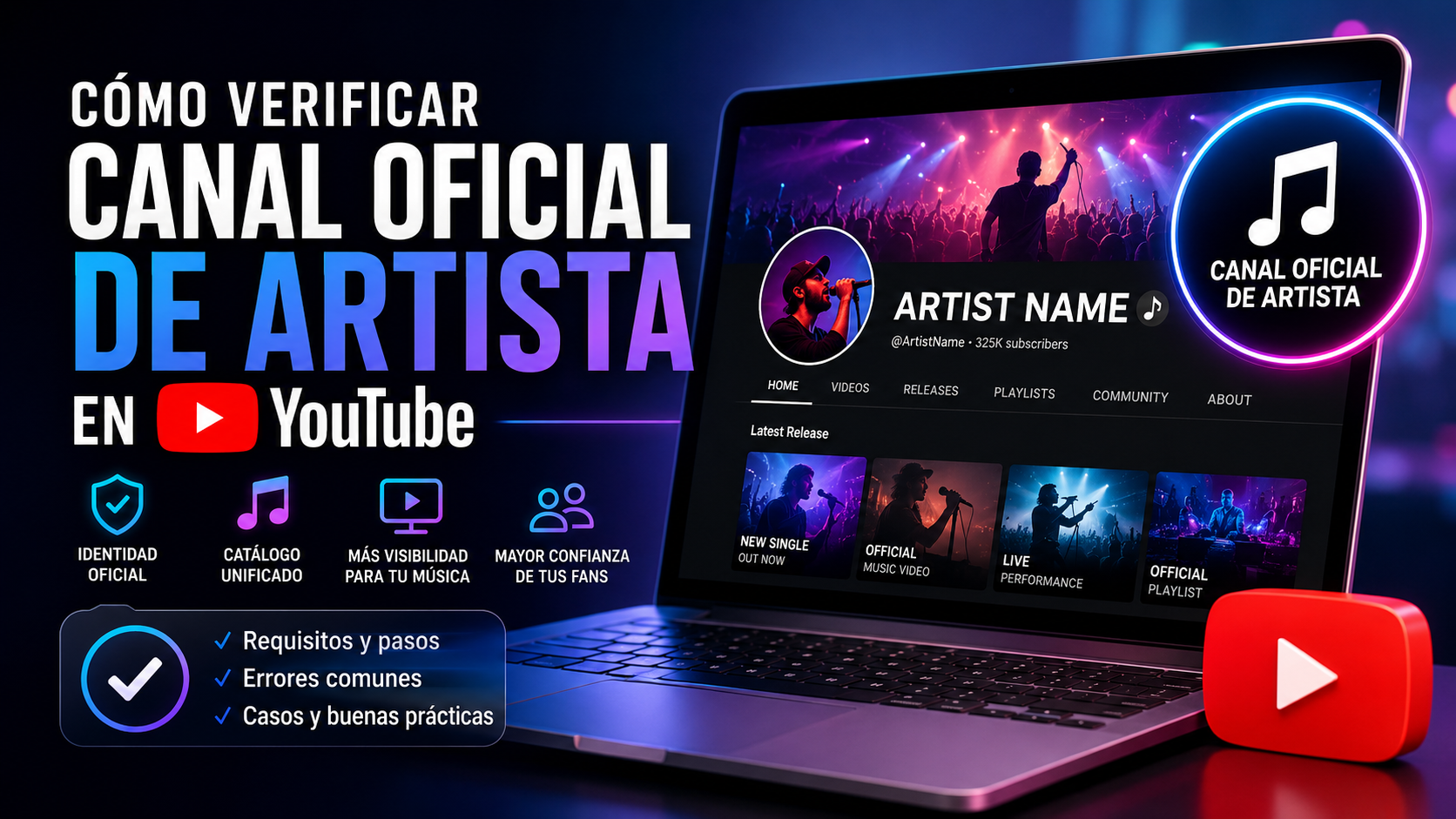
Learn what an Official Artist Channel on YouTube is, the main requirements, and how to prepare your channel before requesting verification. This guide explains the process, common mistakes, benefits, limits, and practical cases for artists, managers, and labels.
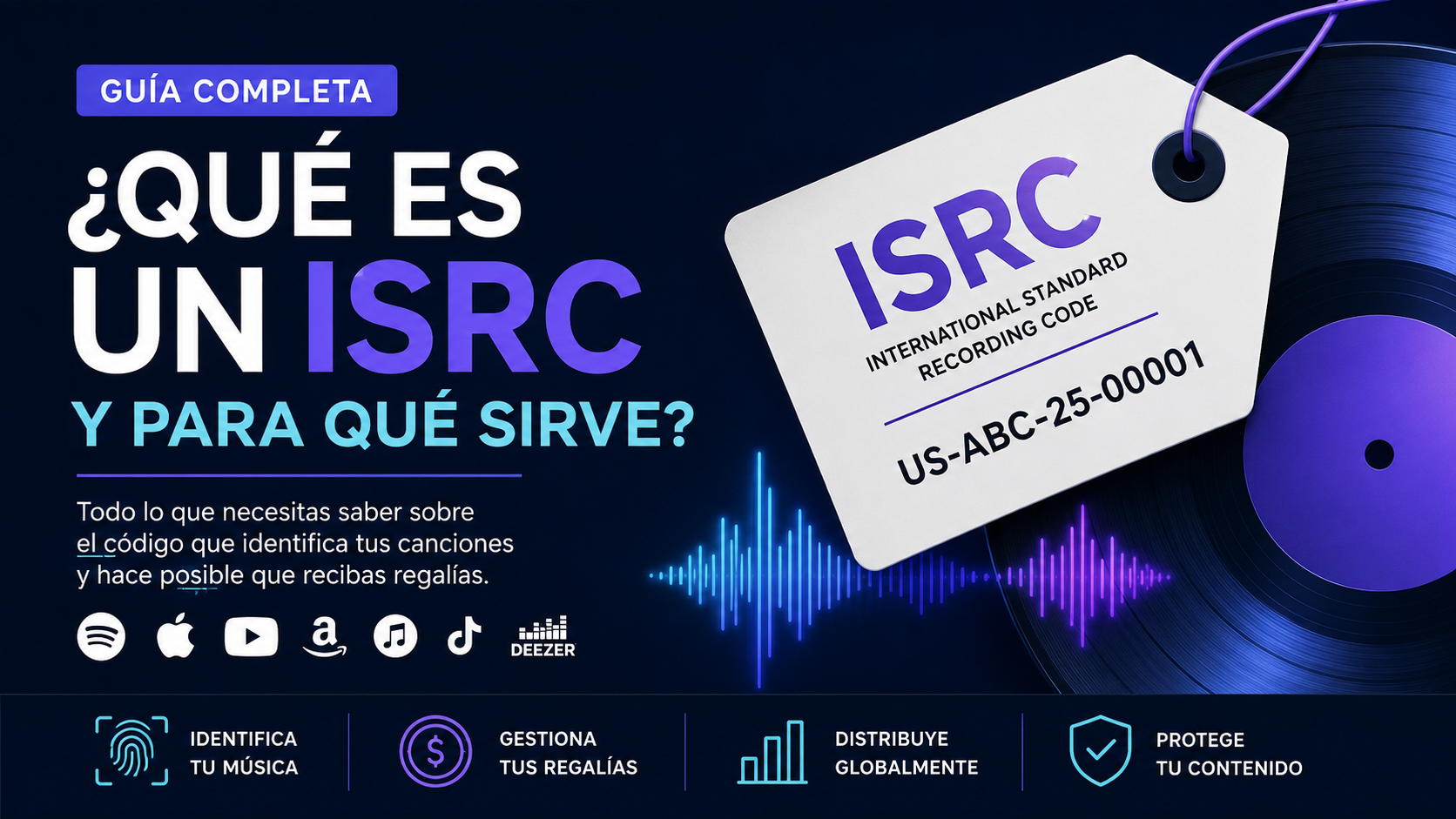
The ISRC (International Standard Recording Code) is the international identifier used to uniquely identify a sound recording or music video. This standard helps track streams, manage royalties, and facilitate distribution across platforms such as Spotify, Apple Music, YouTube Music, and TikTok. In this guide, you'll learn how ISRC works, how to obtain one, and why it is an essential tool for independent artists and record labels.
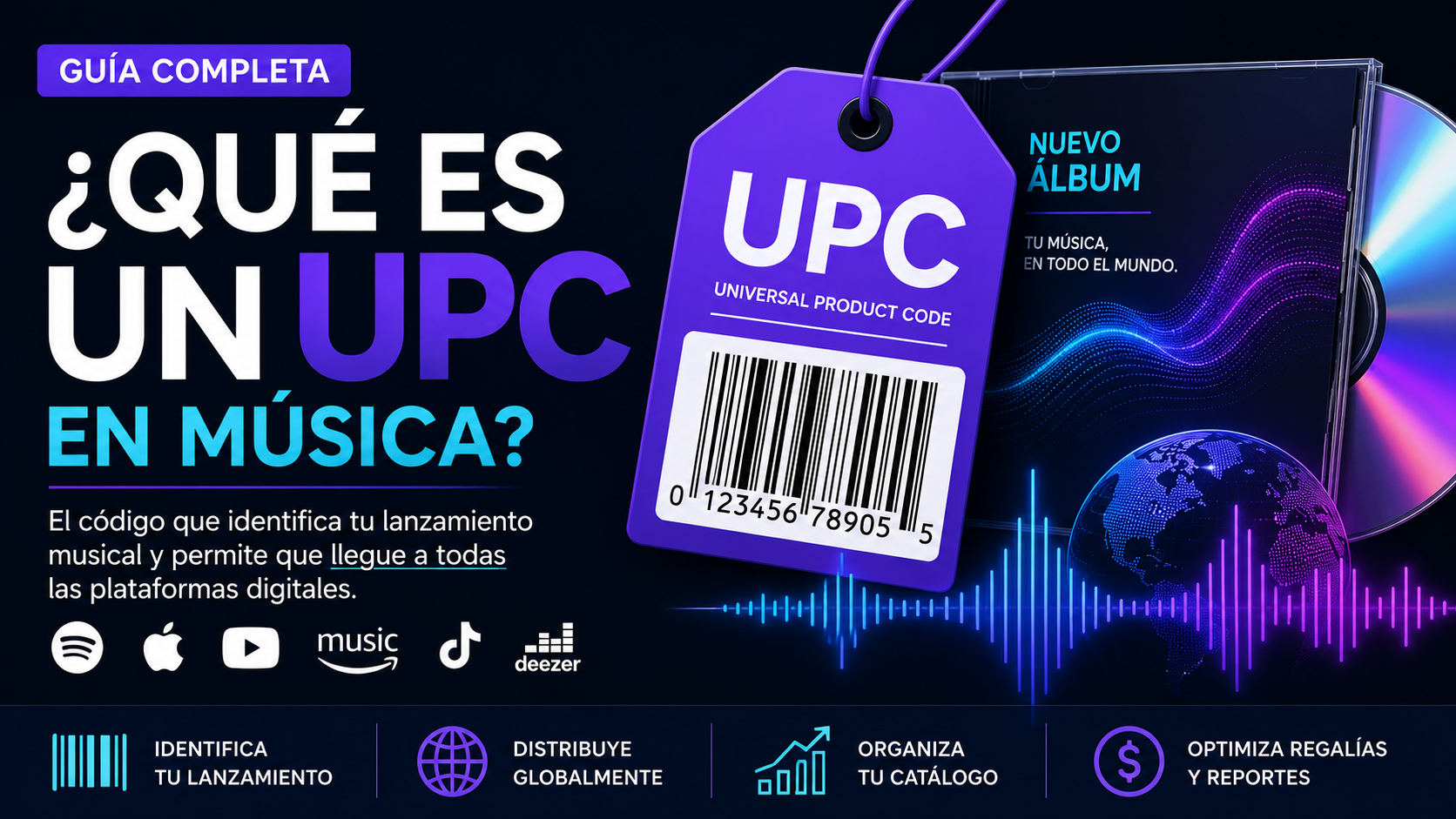
The UPC (Universal Product Code) is the identifier used to uniquely recognize an entire music release, such as an album, EP, or single. This standard is essential for digital distribution, catalog organization, and metadata management across platforms like Spotify, Apple Music, and YouTube Music. In this guide, you'll learn how UPC works, how it differs from ISRC, and why it is an essential tool for independent artists and record labels.
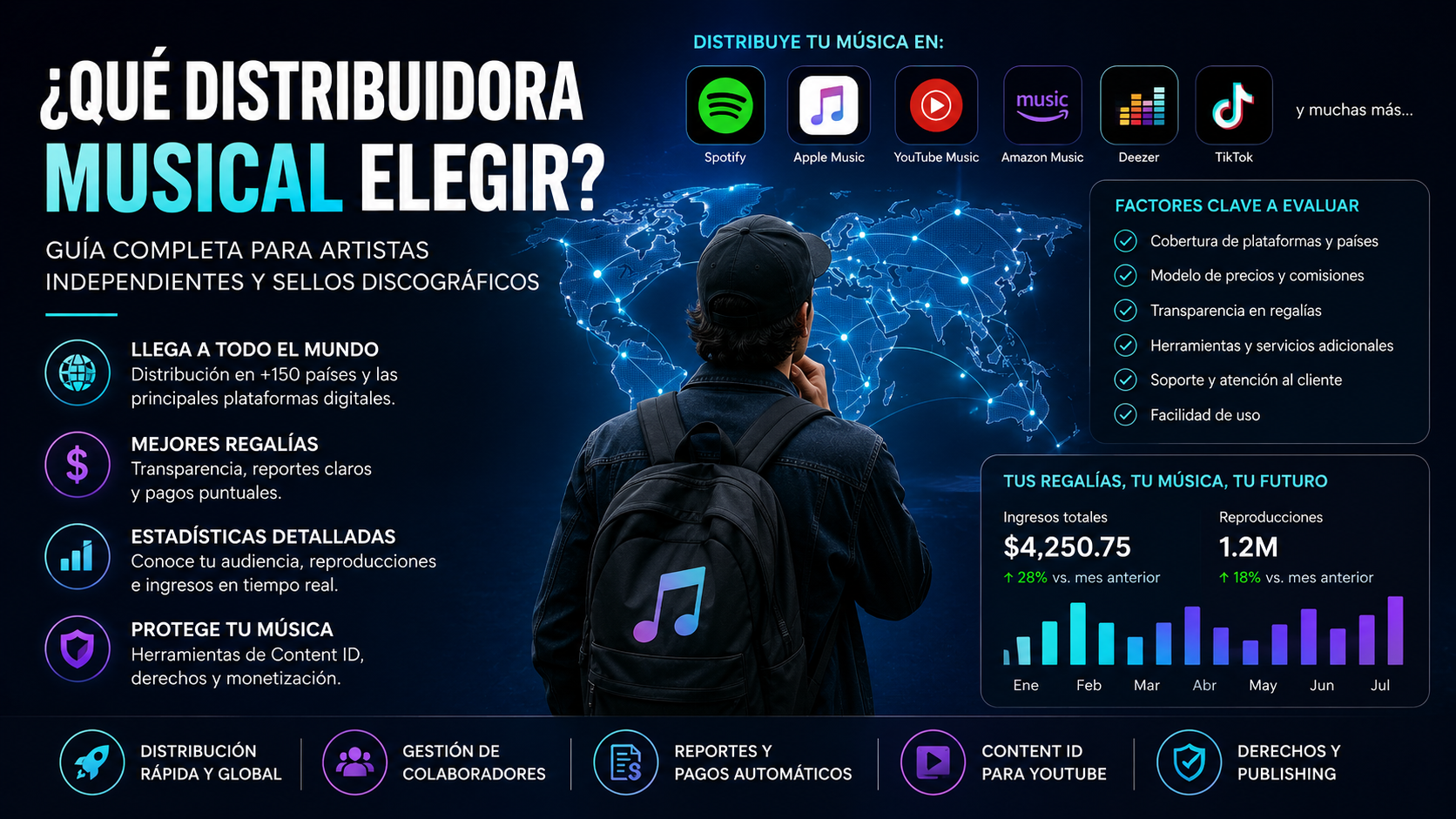
Choosing a music distributor is a strategic decision for any independent artist or record label. There is no single perfect option, as the best platform depends on factors such as global coverage, royalties, pricing, monetization tools, and customer support. In this guide, you'll discover the most important criteria for comparing music distributors and making an informed decision based on your goals and long-term needs.
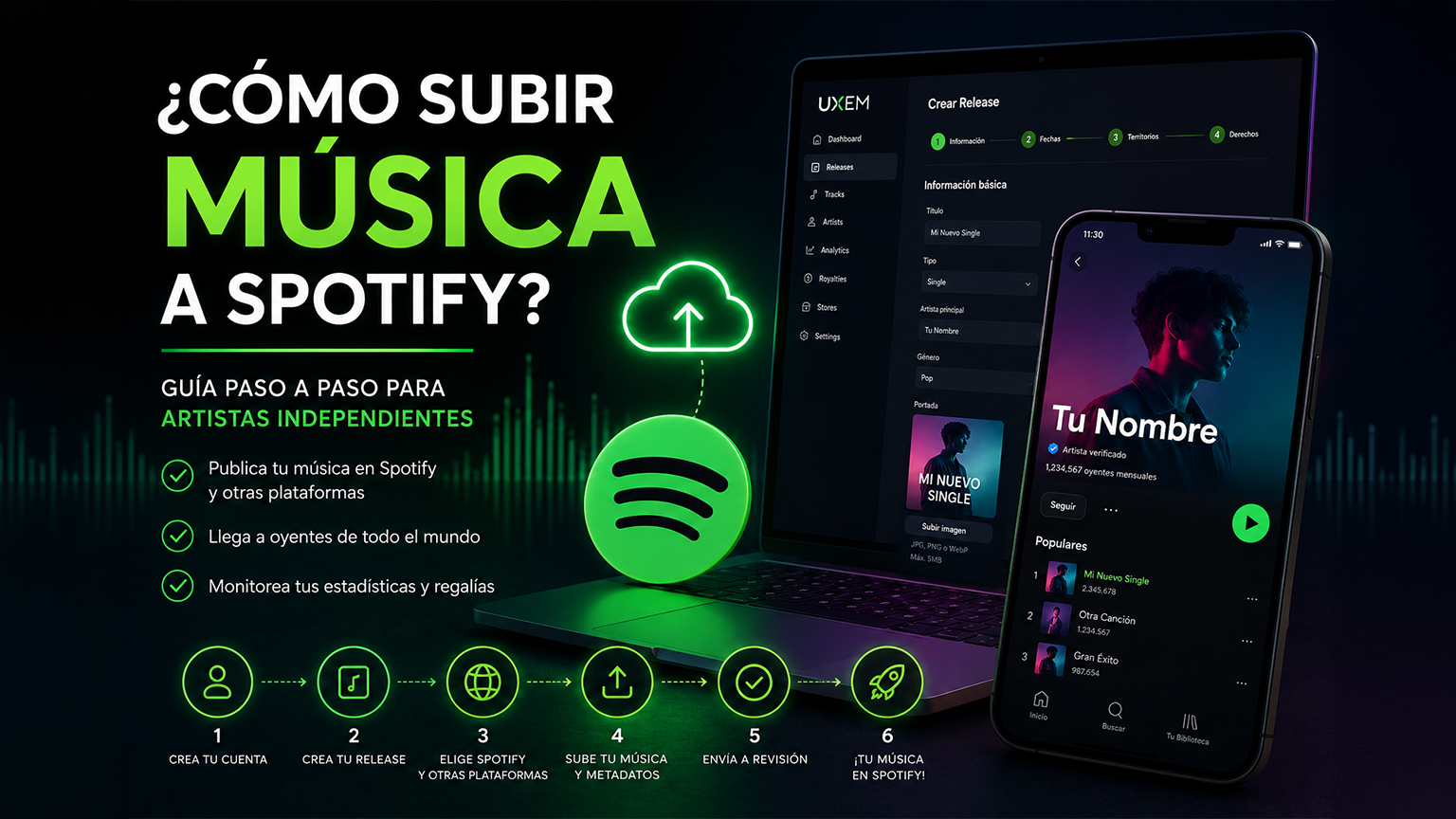
How do you upload music to Spotify in 2026? Learn step by step what you need to release your songs on Spotify, how music distributors work, what files and metadata to prepare, how long the process takes, and how to avoid common release mistakes.
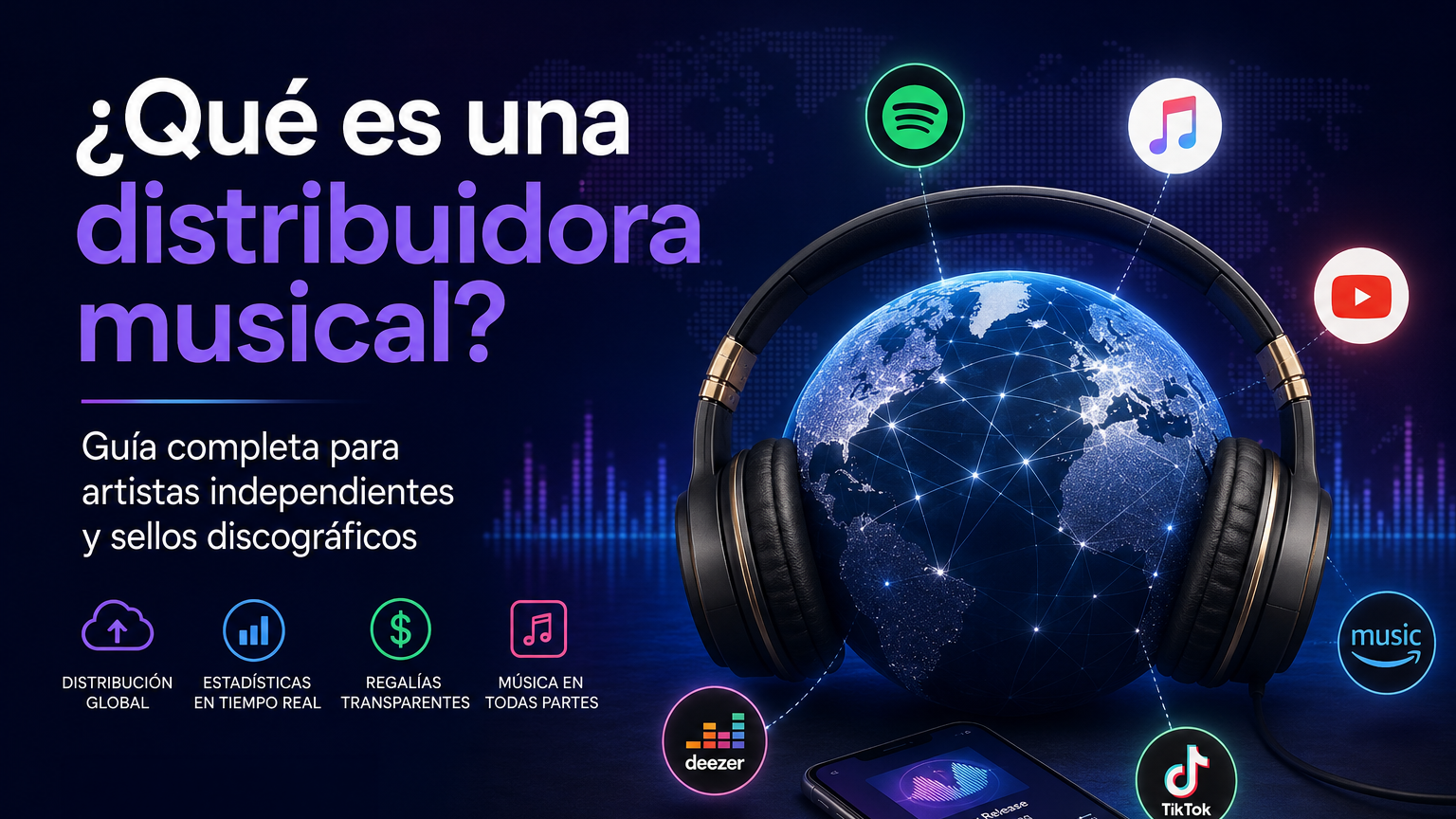
What is a music distributor and how does it work? Learn what music distributors do, how they help artists and labels release music on Spotify, Apple Music and other streaming platforms, how royalties are managed, and what factors to consider when choosing one. A complete guide to understanding music distribution in the streaming and AI era.
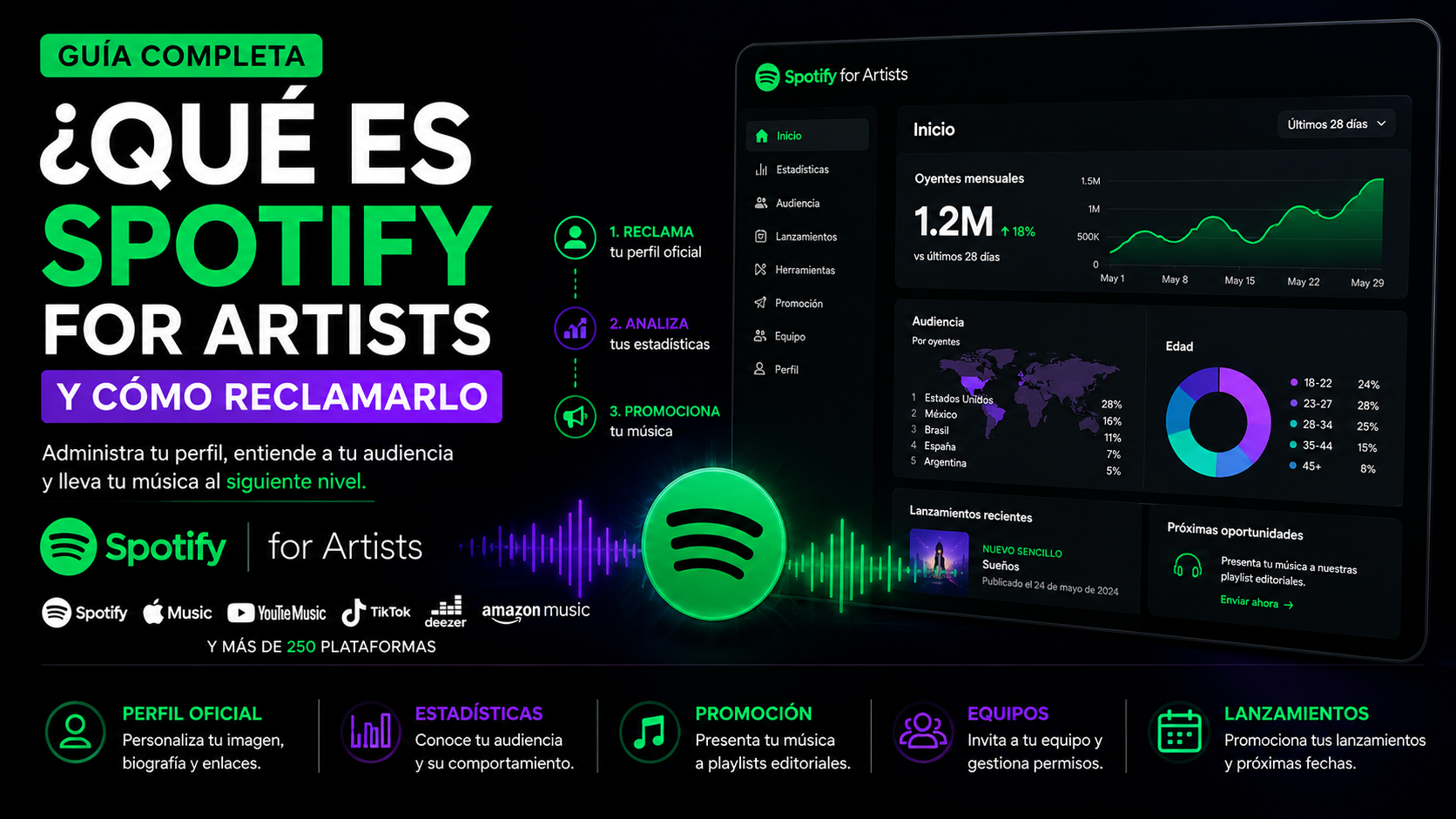
Spotify for Artists is the official platform that allows artists, managers, and record labels to manage their presence on Spotify. Through this tool, you can customize your profile, access analytics, understand your audience, and pitch songs to editorial playlists. In this guide, you'll learn how Spotify for Artists works, who can access it, and how to claim your profile step by step.